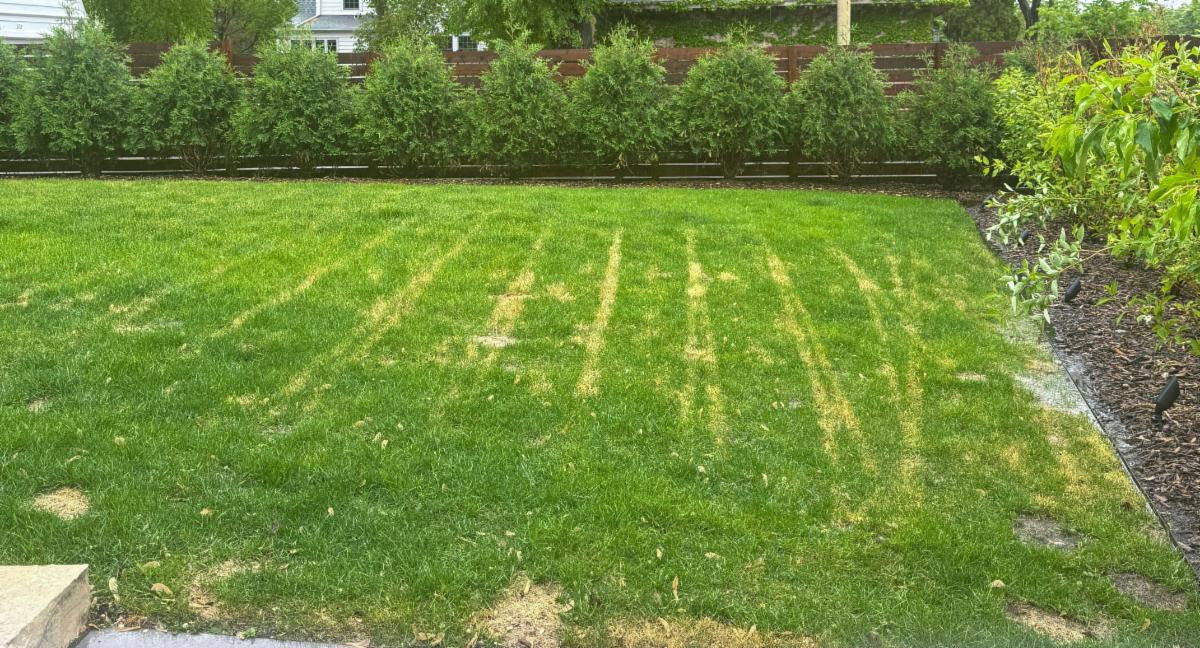
Minnesotans love their thick green lawns, but warm temperatures, humidity, and frequent rain also create the perfect conditions for turf diseases. If you’ve noticed brown patches, pink threads, or circular dead spots in your lawn, a fungal disease may be the culprit.
The good news? Healthy, organically managed lawns are better equipped to resist disease. At Organic Lawns by LUNSETH, we believe the best defense against lawn disease is building healthy soil and strong turf rather than relying on routine fungicide applications.
What Causes Turf Disease?
Most lawn diseases are caused by naturally occurring fungi that become active when environmental conditions are favorable. Disease develops when four factors come together:
- A susceptible grass plant
- A disease-causing fungus
- Favorable weather conditions
- Enough time for the fungus to spread
Minnesota’s cool-season grasses—including Kentucky bluegrass, perennial ryegrass, and fine fescues—can be vulnerable during periods of prolonged moisture, high humidity, poor air circulation, or heat stress. The University of Minnesota Extension notes that proper cultural practices are the most effective way to reduce disease pressure.
Common Lawn Diseases in Minnesota
Several turf diseases are common throughout the Twin Cities and greater Minnesota.
Red Thread
Red thread is one of the most common lawn diseases in Minnesota, especially during cool, wet weather. It appears as pink or reddish threads extending from grass blades and often affects lawns that are low in nitrogen.
Fortunately, red thread rarely kills the grass. Improving overall lawn health is usually enough for the turf to recover.
Dollar Spot
Dollar spot creates small, straw-colored patches about the size of a silver dollar. It often develops in lawns that are stressed by drought or lack adequate nutrients.
Snow Mold
After a long Minnesota winter, gray or pink patches may appear as the snow melts. This is typically snow mold. While it can look alarming, most lawns recover with light raking, improved airflow, and warmer weather. Spring fungicide applications are generally unnecessary.
Rust
Rust is a yellow/orange/red powder on leaf tissue that will discolor shoes. It’s most severe in late summer to early fall when grass isn’t actively growing. Rust likes warm nights, wet leaves and low light intensity areas of the lawn. The best cultural control is to minimize leaf wetness, prevent drought, and use tolerant grass cultivars
Ascochyta
It you see individual leaves die back at leaf tip you may have Ascochyta. You can also see tiny brown and black fungal structures on the dead leaf tissue. This disease thrives in warm and humid conditions, especially in a shift from cool/moist weather. To avoid Ascochyta, minimize leaf wetness, keep grass cut high, and avoid mowing until symptoms subside
How to Prevent Turf Disease Naturally
An organic lawn care program focuses on creating conditions where turfgrass thrives and diseases struggle to spread.
Water Deeply—and Early
Watering in the early morning allows grass blades to dry quickly after sunrise. Watering in the evening leaves moisture on the grass overnight, giving fungi more time to grow.
Established Minnesota lawns generally need about one inch of water per week, including rainfall, during active growth.
Mow High
Keeping your mower at about 3 to 4 inches encourages deeper roots, shades the soil, and reduces stress during summer heat.
Also remember to keep mower blades sharp. Clean cuts heal more quickly and are less susceptible to disease.
Feed the Soil
Healthy soil grows healthier grass.
Organic fertilizers release nutrients gradually, promoting steady growth without the flush of tender foliage that can be more susceptible to disease. Building soil biology also helps improve drainage, root development, and overall turf resilience.
Improve Air Circulation
Lawns surrounded by dense trees, shrubs, or structures often stay damp longer.
Pruning nearby vegetation and reducing excessive thatch can improve airflow and help grass dry more quickly after rain or irrigation.
Avoid Overwatering
Too much water is just as harmful as too little.
Waterlogged soil reduces oxygen around roots and creates favorable conditions for fungal pathogens. Water deeply but less frequently rather than applying small amounts every day.
Why Organic Lawn Care Makes a Difference
Healthy lawns naturally tolerate stress better.
Instead of depending on repeated chemical treatments, organic lawn care strengthens the soil ecosystem so grass can better withstand drought, disease, insects, and seasonal weather changes. While no lawn is completely immune to fungal diseases, a dense, vigorous lawn is much less likely to experience severe outbreaks.
This approach aligns with recommendations from the University of Minnesota Extension, which emphasizes proper mowing, watering, fertilization, and timing of lawn maintenance as the foundation of disease prevention.
When Should You Call a Professional?
If your lawn develops expanding brown patches, recurring disease problems, or widespread thinning, it’s worth having an expert evaluate the cause. Not every brown area is a fungal disease—drought stress, insects, compacted soil, or nutrient deficiencies can produce similar symptoms.
At Organic Lawns by LUNSETH, we take a whole-lawn approach. Rather than simply treating symptoms, we evaluate soil health, mowing practices, watering habits, and environmental conditions to develop a long-term plan that helps your lawn stay healthy naturally.
Build a More Disease-Resistant Lawn
Preventing turf disease starts long before symptoms appear. Proper mowing, smart watering, healthy soil, and organic nutrition all work together to create a lawn that’s naturally more resilient throughout Minnesota’s changing seasons.
If you’d like help building a healthier lawn without unnecessary chemicals, Organic Lawns by LUNSETH can create a customized organic lawn care program designed specifically for Minnesota’s climate.Top of FormBottom of Form Contact the experts at Organic Lawns by LUNSETH for an organic treatment program or landscaping design tailored to Minnesota conditions that can help restore balance naturally — without unnecessary chemicals or harsh inputs.
This blog post is based on guidance from the University of Minnesota Extension Service.


