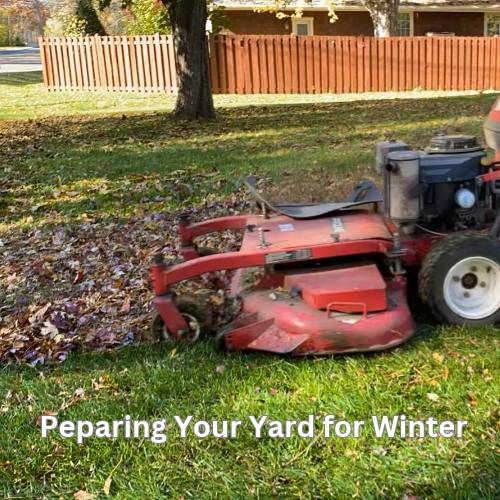
As autumn settles into Minnesota, cooler temperatures, colorful leaves, and shorter days signal that winter is just around the corner. While it may be tempting to put yard work on hold until spring, fall is one of the most important times to prepare your yard for the months ahead.
A fall cleanup does more than make your yard look tidy. It helps protect your lawn, supports healthy soil, and prepares your plants to withstand Minnesota’s long, cold winter. From mulching fallen leaves to preparing your lawn for dormancy and cutting back perennials, a few well-timed tasks can make a big difference in the health of your landscape next spring.
At LUNSETH, we believe that healthy landscapes start with working alongside nature. Here’s how environmentally conscious fall yard care can help your Minnesota property thrive.
1. Mulching Leaves: Turn Fall Debris Into a Natural Resource
When leaves begin falling across your lawn, your first instinct might be to grab the rake or leaf blower. But before hauling those leaves away, consider a more sustainable option: mulching.
Mulching leaves allows you to recycle valuable organic material directly back into your lawn. Instead of sending leaves to a landfill or removing nutrients from your property, you can return some of nature’s resources to the soil.
Why is mulching leaves beneficial?
- Returns nutrients to the soil: As finely chopped leaves break down, they release nutrients and organic matter that support soil health.
- Supports beneficial soil organisms: Decomposing leaf material provides food for organisms that help maintain a healthy soil ecosystem.
- Improves soil quality over time: Leaf-derived organic matter can contribute to better soil structure and moisture retention.
- Reduces yard waste: Mulching helps minimize the need to bag and dispose of leaves.
- Saves time and effort: With the right mowing equipment, you can often mulch leaves as part of your regular fall lawn maintenance.
How to mulch leaves correctly
The key to successful leaf mulching is making sure the leaves are chopped into small pieces that can settle between grass blades.
Use a mulching mower to run over dry or lightly damp leaves, breaking them into fine fragments. Depending on the amount of leaf cover, you may need to make several passes or mulch some of the leaves separately.
A good rule of thumb is to keep mowing until most of the leaf material has settled into the turf rather than forming a thick layer on top.
Avoid leaving heavy blankets of leaves on your lawn. Thick, matted layers can block sunlight and restrict airflow, potentially damaging grass as winter approaches. If the leaf volume is too great to mulch effectively, collect the excess and use it as compost or garden mulch.
Why this matters for Minnesota lawns
Minnesota’s cool-season grasses benefit from healthy soil and adequate sunlight as they prepare for winter. Mulching manageable amounts of leaves can help support soil health while reducing waste.
It’s a simple, practical way to make your fall yard care routine more sustainable without sacrificing lawn quality.
2. Preparing Your Lawn for Dormancy: Help Your Grass Weather the Winter
As temperatures drop, your lawn begins transitioning toward winter dormancy. Cool-season grasses common in Minnesota, including Kentucky bluegrass, perennial ryegrass, and fine fescues, generally slow their top growth as conditions become colder.
Dormancy is a natural survival strategy. Grass conserves energy and waits for favorable growing conditions to return in spring.
Although you can’t prevent winter stress entirely, proper fall maintenance can help your lawn enter dormancy in the best possible condition.
Keep mowing as needed
Don’t stop mowing simply because the calendar says it’s fall. Continue mowing while the grass is actively growing, gradually adjusting to seasonal conditions.
Before winter sets in, aim for a final mowing height appropriate for your grass type, generally around 2 to 2.5 inches for many Minnesota lawns.
Grass left excessively long may mat down under snow, while cutting it too short can reduce its ability to tolerate winter stress. Avoid removing too much leaf blade in a single mowing.
Keep leaves and debris under control
Even if you mulch most of your leaves, it’s important to remove excess debris from the lawn before winter.
Heavy leaf cover can limit sunlight and airflow, creating conditions that may contribute to turf damage and snow mold. Clearing the lawn of fallen branches and other debris also helps protect the grass during dormancy.
Water when conditions call for it
Fall watering can be beneficial when rainfall is limited, particularly while grass is still actively growing and when newly seeded areas need consistent moisture.
If autumn is unusually dry, watering before the ground freezes can help prevent drought stress. Avoid overwatering, and follow local watering restrictions.
Apply nutrients thoughtfully
Fall can be an excellent time to support cool-season lawns with a well-timed nutrient application. However, these should be selected and applied according to the lawn’s nutrient needs, soil conditions, and applicable Minnesota regulations.
Organic lawn care emphasizes building healthy soil and avoiding unnecessary applications. A soil test can help determine whether additional nutrients are needed and guide an appropriate treatment plan.
Protect your lawn from unnecessary stress
As your lawn prepares for winter, try to minimize excessive foot traffic on frozen or dormant grass. Avoid parking vehicles on the turf, and keep heavy equipment off vulnerable areas.
These small precautions can reduce the risk of compaction and damage that may otherwise become apparent when spring arrives.
The goal of fall lawn preparation isn’t to keep grass growing all winter. It’s to help your lawn enter dormancy healthy, protected, and ready to recover when warmer weather returns.
3. Cutting Back Perennials: Know What to Trim and What to Leave
As temperatures cool, many perennial plants begin to fade and prepare for winter dormancy. Cutting back certain plants can help maintain a tidy landscape and reduce the risk of some overwintering plant diseases.
However, not every perennial should be cut back in the fall.
An environmentally conscious approach means knowing which plants benefit from fall pruning and which are better left standing until spring.
Which perennials should you cut back?
Some herbaceous perennials benefit from fall cleanup, particularly if their foliage is diseased, damaged, or likely to harbor pests.
Depending on the species and its condition, these may include:
- Daylilies: Remove dead or declining foliage when appropriate, especially if disease is present.
- Peonies: Cut back foliage after it dies back in fall to help reduce the risk of overwintering fungal disease.
- Hostas: Remove collapsed or diseased foliage as the plants finish for the season.
- Irises: Remove dead or diseased leaves as appropriate, following the needs of the particular iris species.
- Other disease-affected perennials: Remove infected plant material and dispose of it appropriately rather than leaving it in the garden or adding it to a home compost pile.
Always consider the specific plant’s needs. Some perennials are best cleaned up in spring, and evergreen or semi-evergreen plants may benefit from having their foliage left intact.
Why leave some perennials standing?
A perfectly trimmed garden isn’t always the healthiest garden.
Many native and ornamental perennials provide valuable habitat throughout the winter. Seed heads can serve as a food source for birds, while hollow or sturdy stems may provide shelter for beneficial insects.
Plants such as coneflowers, black-eyed Susans, native grasses, and many other seed-producing perennials can add winter interest while supporting local wildlife.
Leaving healthy stems and seed heads standing until spring can also help protect plant crowns and provide some natural insulation.
A balanced approach to fall perennial care
Rather than cutting everything back at once, consider a selective cleanup:
- Remove diseased or damaged foliage when necessary.
- Cut back perennials that benefit from fall sanitation.
- Leave healthy seed heads and sturdy stems where they provide wildlife habitat.
- Wait until spring to cut back plants that offer winter interest or shelter.
- Add mulch around appropriate plants if needed to help protect roots from temperature fluctuations.
For Minnesota gardens, this balanced approach supports plant health while making room for beneficial insects and birds to use your landscape through the colder months.
4. Why Sustainable Fall Cleanup Matters
Fall yard maintenance can be about much more than appearance. The choices you make now can influence soil health, plant survival, and the ecological value of your property.
At LUNSETH, we believe organic lawn care is about creating a healthy landscape from the ground up.
Here are a few ways a more sustainable fall cleanup can make a difference:
Keep organic matter on your property. Mulched leaves and properly managed plant debris can return valuable organic material to the soil instead of sending everything away as waste.
Support beneficial wildlife. Leaving selected perennials standing through winter provides food and shelter for birds and insects.
Reduce unnecessary inputs. Healthy soil, appropriate mowing practices, and thoughtful nutrient management can help reduce reliance on unnecessary lawn treatments.
Protect Minnesota’s natural resources. Responsible nutrient use, proper disposal of diseased plant material, and maintaining healthy vegetation can help reduce runoff and protect local waterways.
Sustainable yard care doesn’t mean leaving everything untouched. It means making informed choices about what to remove, what to recycle, and what to leave for nature.
5. Your Minnesota Fall Yard Care Checklist
Not sure where to start? Use this checklist to prepare your property for winter.
- Mulch fallen leaves regularly while the volume remains manageable.
- Remove excess leaves that could smother the grass.
- Continue mowing until grass growth slows or stops.
- Keep your final mowing height appropriate for your lawn’s grass type.
- Water as needed during dry fall weather, especially for newly seeded areas.
- Address fertilizer needs based on soil conditions and responsible application practices.
- Remove diseased perennial foliage and other problem plant material.
- Leave healthy seed heads and selected perennial stems for winter wildlife habitat.
- Clear branches and other debris from the lawn.
- Put away hoses and prepare irrigation equipment for freezing temperatures.
- Inspect garden beds and apply mulch where appropriate to protect vulnerable plants.
The timing of these tasks will vary with Minnesota’s weather. Some years, fall conditions remain mild well into October; other years, freezing temperatures arrive earlier. Pay attention to your property’s conditions rather than relying on a fixed calendar date.
Give Your Yard a Natural Head Start on Spring
A healthy landscape doesn’t happen by accident. The work you do in fall helps determine how well your lawn and gardens handle winter and how quickly they recover when spring returns.
Mulching leaves returns organic matter to the soil. Preparing your lawn for dormancy helps protect grass from winter stress. And selectively cutting back perennials supports plant health while preserving important habitat for beneficial wildlife.
At LUNSETH, we’re committed to helping Minnesota homeowners care for their landscapes with practices that prioritize healthy soil, responsible maintenance, and long-term sustainability.
Whether you need help with fall lawn cleanup, leaf mulching, or preparing your property for winter, our team can help you make the most of the season.
Ready to prepare your yard for winter the natural way? Contact LUNSETH or call us at 612-913-4899 today to learn more about our organic lawn care and seasonal maintenance services.
Let’s put fall to work for a healthier, greener landscape next spring!


