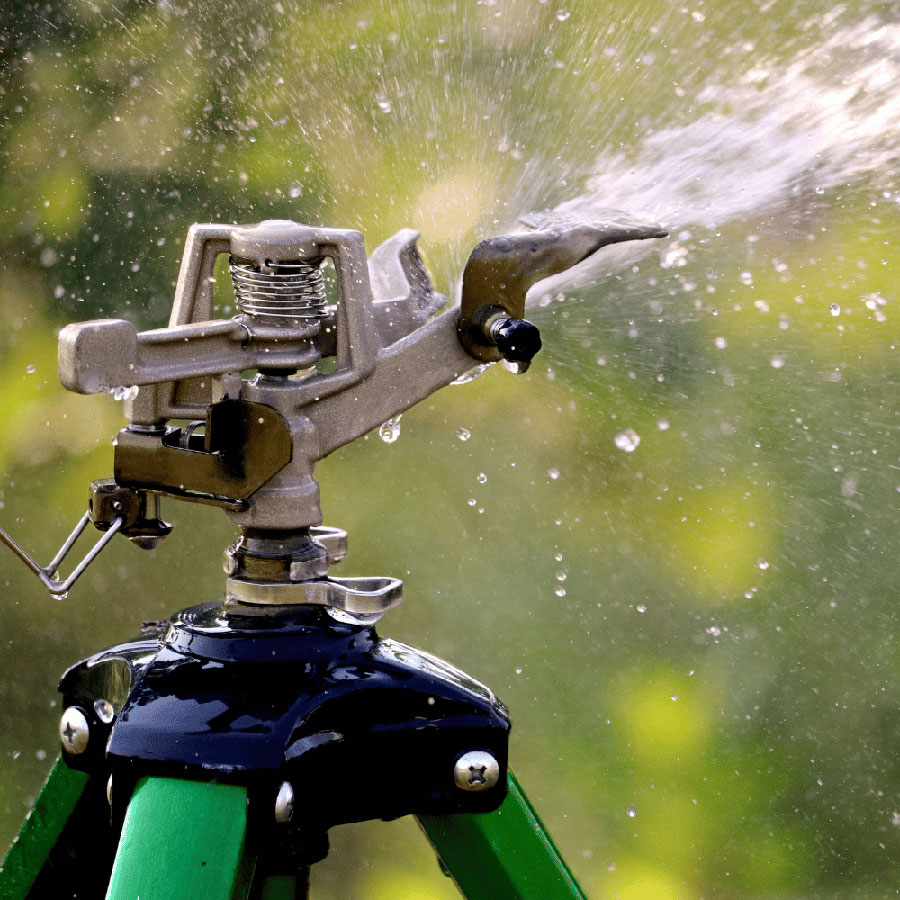
A lush, green lawn doesn’t require constant watering. In fact, one of the biggest mistakes homeowners make is watering too often. The secret to a healthier lawn—and lower water bills—is watering smarter, not more.
Water Deeply, Not Daily
Frequent, shallow watering encourages grass roots to stay near the surface, making your lawn more vulnerable to drought and heat stress. Instead, water deeply and less often. Deep watering encourages roots to grow several inches into the soil, creating a stronger, more resilient lawn that can better withstand dry conditions.
Most established lawns need about one inch of water per week, including rainfall. Before turning on the sprinkler, consider how much rain your lawn has already received and water only when necessary.
Water Early in the Morning
The best time to water is between 4 a.m. and 10 a.m. Cooler morning temperatures reduce evaporation, allowing more water to soak into the soil. Morning watering also gives grass time to dry during the day, reducing the risk of fungal diseases that thrive in damp conditions.
Avoid watering in the evening whenever possible, as moisture that remains on the lawn overnight can encourage disease and insect activity.
Know Your Soil
Different soil types absorb and hold water differently.
- Sandy soils drain quickly and may require more frequent watering with smaller amounts.
- Clay soils hold moisture longer, so they benefit from less frequent but deeper watering.
Pay attention to your lawn’s actual needs and adjust based on weather, rainfall, and soil conditions.
Test Before You Water
Instead of watering on a set schedule, check your soil first. If the top several inches of soil are dry, it’s time to water. A simple screwdriver or small shovel can help determine how deeply moisture has penetrated.
You can also use a small container, such as a tuna can, to measure how much water your sprinkler system delivers. This helps ensure your lawn receives the right amount without wasting water.
Help Your Lawn Hold Moisture
Watering is only one part of maintaining a healthy lawn. You can significantly reduce water needs by:
- Mowing at a height of 3 inches or higher to encourage deeper root growth.
- Leaving grass clippings on the lawn to help retain moisture.
- Improve soil health with compost or organic matter.
- Installing rain sensors or smart irrigation controllers that automatically adjust watering based on weather conditions.
Don’t Forget Trees and Garden Beds
Your lawn isn’t the only thing that needs water. Newly planted trees and shrubs require consistent watering while establishing their root systems. Garden beds benefit from watering at the base of plants instead of overhead, helping reduce disease while delivering moisture where it’s needed most.
Applying 2 to 3 inches of organic mulch around trees, shrubs, and garden plants also helps conserve soil moisture and reduces evaporation.
Water Wisely
Healthy landscapes are built through thoughtful watering practices rather than frequent irrigation. By watering deeply, timing irrigation for the early morning, monitoring rainfall, and improving soil health, you can create a lawn that’s more drought-tolerant, healthier, and easier to maintain while conserving one of our most valuable natural resources.
Contact the experts at Organic Lawns by LUNSETH for an organic treatment program or landscaping design tailored to Minnesota conditions that can help restore balance naturally — without unnecessary chemicals or harsh inputs.
This blog post is based on guidance from the University of Minnesota Extension’s “Water Wisely: Start in Your Own Backyard”


